Tuesday, 6 May 2008

Lighthouse: A Story of Remembrance


Written Robert Munsch and Illustrated by Janet Wilson.
1. Do you think that children understand death and dying? When do you think a child comes to this understanding?
2. In the story, Sarah does not appear to be sad as she talks about her grandpa. Why do you think that is?
3. Why do you think it is harder for adults to deal with death than younger children?
4. How would you explain or answer these questions if they were asked of you by a young child?
a.) Why do people die?
b.) What happens to people when they die?
c.) Should death be something to be feared?
d.) Is God punishing people when they die?
5. As a child growing up, what were your own questions or curiosities or fears about death and dying? How did your parents deal with it?
6. In your opinion, how young is too young to start explaining death and dying to a child?
7. Would you use this book as a parent of a child who has either experienced death or is curious about? Explain.

Friday, 11 April 2008

What is God?

Written by Etan Boritzer and Illustrated by Robbie Marantz

What would you do if a child asked you this question? The reality is that this question can arise at any age. From my own experiences in teaching religion in high school, teenagers have a difficult time answering this question, even the most devout. Religion is a sensitive area of discussion. Personally, my religion influences how I live my life and see the world, but I have TONS of questions and issues concerning Church teachings. What can I say, I'm a work in progress! I think everyone is really. We're all at different points on our religious journey. If you were a parent how might you start your child on theirs?

1. What specifically do you like about how this book answers the question, "What is God?"

2. What would you have said that might have been different?

3. Many of you, in your Parenting Philosophy, discussed allowing your child, when he or she was older to choose a religion if the one they were being raised with was not appealing to them. Do you think that talking to children about other faiths at a young age encourages children to seek the answers they have in other religions? Does exposure to other faiths simply make them better citizens of the world? Explain your position thoroughly.

4. Many have argued that children are the most faithful when they are younger. Why do you think this is?

5. It not uncommon for teenagers to declare that they don't believe in God or that they have serious issues with the institution of the Church? What happens between childhood and the teen years that causes this to happen?

Friday, 28 March 2008

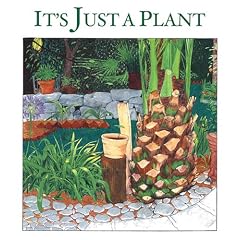
It's Just a Plant


You can be 100% positive that you would NEVER EVER EVER EVER see this book on any bookshelf in any classroom!
Here is a quote by a famous filmmaker:
"I think the big mistake in schools is trying to teach children anything, and by using fear as the basic motivation. Interest can produce learning on a scale to fear as nuclear explosion to a firecracker." ~ Stanley Kubrick
Think about this book from the point of view of a student...
1. Why might this book not have been in any classroom you learned in?
2. Who do you think gets to make those decisions?
3. How do you those decisions come about?
4. Do you think it is a democratic process - determining which books are "fit" for classroom use?
5. Might this book have impacted you in any way if you had read it as a child? Do you think the impact might be the same or different for boys and girls? Among different races? Among those in different socio-economic conditions?
Think about this book from the point of view of a parent...
6. Would parents be okay with this book in their children's classroom? Explain.
7. How does the website reccomend that parents use this book with their children?
8. Do you think that all cultures would embrace this book?
9. Read the reviews. Write your own...